
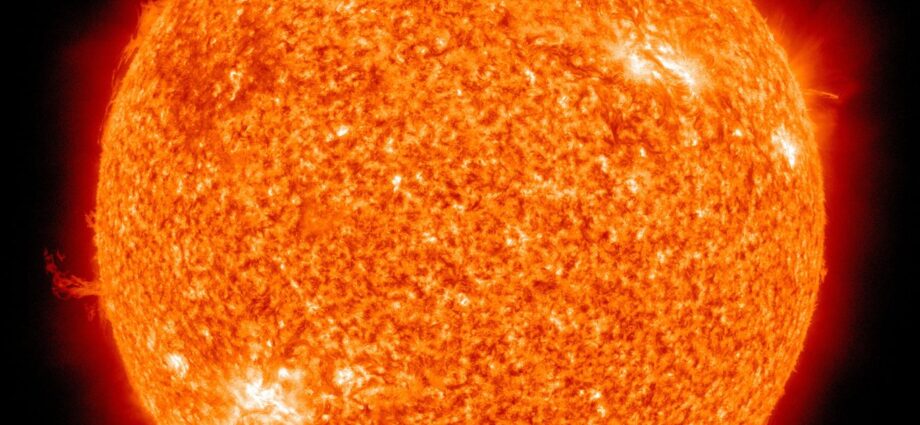
solar power in space is becoming a revolutionary approach to energy generation. This technology aims to harness unlimited energy from the sun, offering a promising solution for our future energy needs.
What is Solar Power in Space?
Solar power in space refers to the use of solar panels positioned beyond Earth’s atmosphere to capture solar energy. Unlike ground-based solar systems, which are limited by weather conditions and daylight hours, space-based solar power systems can operate continuously, receiving an uninterrupted flow of sunlight. This capability allows for a significantly higher energy yield.
The concept of harnessing solar power in space has gained traction as it presents a viable solution to the growing energy demands on Earth. By collecting solar energy in space, it can be transmitted back to Earth or used in space missions, supporting technologies like satellites and spacecraft.
Key advantages of solar power in space include:
- Consistency: Solar panels in space are not subjected to weather fluctuations or nighttime, ensuring a continual energy supply.
- Efficiency: The intensity of sunlight in space is about 30% greater than on Earth, enhancing energy capture.
- Reduced Land Use: Utilizing space for solar energy minimizes the competition for land resources needed for terrestrial solar farms.
As advancements in technology continue, solar power in space may pave the way for a sustainable and abundant energy future.
The Benefits of Space-Based Solar Energy
Space-based solar energy offers numerous advantages that make it an appealing solution for the future of energy production. One of the primary benefits is its ability to capture solar power without the distortions caused by the Earth’s atmosphere. This means that solar panels in space can operate at higher efficiency levels, receiving uninterrupted sunlight for longer periods compared to their terrestrial counterparts.
Another significant advantage is the potential for continuous energy generation. Unlike ground-based solar installations that rely on daylight, solar power in space can provide a constant stream of energy. This capability could revolutionize energy supply, particularly for regions that struggle with energy access.
Furthermore, space-based solar power can be transmitted back to Earth using microwave or laser technology. This method of energy transmission could facilitate the delivery of clean energy to remote areas, reducing dependence on fossil fuels and lowering greenhouse gas emissions.
Lastly, investing in solar power in space could lead to technological advancements that benefit other sectors. The research and development required to build efficient solar panels and transmission systems could result in innovations applicable to various industries, enhancing overall energy efficiency and sustainability.
How Does Space Solar Power Work?
Solar power in space operates by utilizing solar panels situated outside the Earth’s atmosphere to capture sunlight without atmospheric interference. These solar panels convert sunlight directly into electricity using photovoltaic cells, which are highly efficient in the vacuum of space.
The process begins with the absorption of solar radiation by the panels. Once the sunlight is absorbed, it excites electrons in the photovoltaic cells, generating direct current (DC) electricity. This DC electricity can then be converted into alternating current (AC) electricity through inverters, making it suitable for transmission to other locations.
One of the key advantages of solar power in space is the constant exposure to sunlight. Unlike on Earth, where weather conditions and day-night cycles can obstruct sunlight, space solar panels can harness energy continuously. This ensures a stable and reliable energy source for various applications, including powering satellites, space stations, and potentially even transmitting energy back to Earth.
To transmit the collected energy, systems are being developed that convert the electricity into microwaves. These microwaves can then be beamed to receiving stations on Earth, offering a groundbreaking way to provide clean energy to remote areas or during times of high demand.
Challenges Facing Solar Power in Space
While the potential of solar power in space is significant, several challenges must be overcome to fully realize its benefits. One major hurdle is the high cost of launching and maintaining solar power satellites. The expense of building, launching, and servicing these satellites can be prohibitive, deterring investment and research in this promising field.
Another challenge is the efficiency of energy conversion. Current solar panel technologies, although advanced, are still less efficient in converting sunlight to electricity in space compared to theoretical models. This inefficiency can lead to reduced energy output, making it difficult to justify the investment.
Additionally, there are concerns about transmission technology. Transmitting energy wirelessly from space to Earth poses significant technical challenges, including potential safety risks and the need for new infrastructure on the ground. The development of efficient and safe transmission methods remains a critical area of research.
Finally, regulatory and environmental concerns must be addressed. The international community must establish guidelines and agreements to ensure that the deployment of solar power systems in space is safe and sustainable, preventing potential conflicts over orbital space and energy rights.
Future of Solar Energy in Space
The future of solar power in space appears promising, with numerous advancements and projects underway that aim to harness energy from the sun more efficiently. As technology evolves, solar power in space could become a cornerstone of sustainable energy solutions for Earth and beyond.
Several countries and private companies are investing in research and development to create solar arrays that can operate in the harsh environment of space. These initiatives aim to capture solar energy and transmit it back to Earth or other celestial bodies, potentially revolutionizing energy distribution.
- Increased Efficiency: New materials and designs are enhancing the efficiency of solar panels, making them more effective in capturing sunlight in space.
- Global Energy Needs: As the demand for clean energy grows, space-based solar power could provide a solution by delivering energy to remote areas without access to traditional power grids.
- Support for Space Exploration: Harnessing solar power in space could also support missions to other planets, providing a reliable energy source for future habitats and research stations.
Ultimately, as we continue to explore the potential of solar power in space, it could play a crucial role in addressing global energy shortages and advancing human presence in the cosmos.
Comparing Solar Power in Space to Other Energy Sources
When evaluating energy sources, it is crucial to compare solar power in space with traditional and renewable options. Each energy source has its advantages and challenges, but solar power in space presents unique benefits that set it apart.
- Fossil Fuels: While fossil fuels are currently the most widely used energy source, they contribute significantly to greenhouse gas emissions and climate change. In contrast, solar power in space offers a clean alternative, harnessing energy without harmful byproducts.
- Wind Energy: Wind energy relies on specific geographic conditions and can be unpredictable. Solar power in space, however, captures sunlight continuously from orbit, providing a more stable energy supply regardless of weather conditions on Earth.
- Hydroelectric Power: Hydroelectric power depends on water availability and can disrupt local ecosystems. In comparison, solar power in space does not require land or water resources, minimizing environmental impact.
- Nuclear Energy: Although nuclear energy is efficient, it raises concerns about waste management and safety. Solar power in space eliminates these risks, offering a safe and renewable energy solution.
Ultimately, while each energy source has its merits, solar power in space emerges as a sustainable option worth considering for our future energy needs.
Photo by Pixabay on Pexels
Comments are closed, but trackbacks and pingbacks are open.