
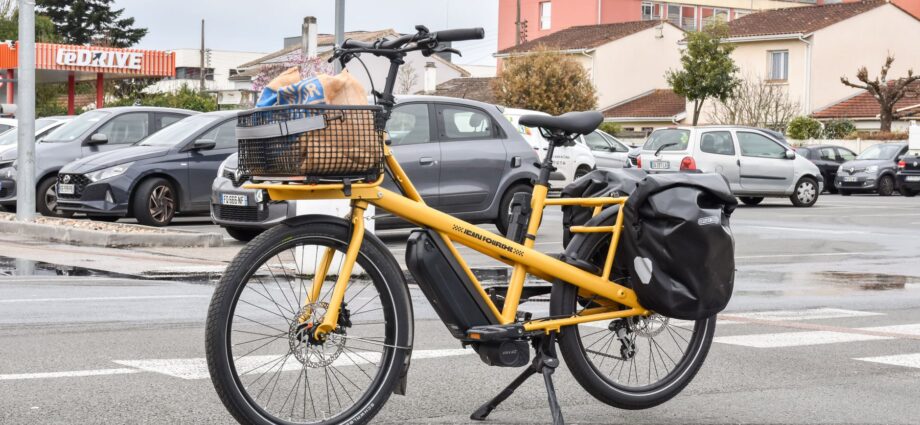
illegal e-bikes are increasingly being targeted by new council bills aimed at delivery fleets. This legislation seeks to address safety and regulatory concerns surrounding their use.
Understanding the Council Bill
The recent council bill aims to address the growing concern surrounding illegal e-bikes in delivery fleets. With the rise of online shopping, delivery services have increasingly relied on e-bikes for quick and efficient transportation. However, many of these e-bikes do not comply with safety regulations, leading to safety and legal issues.
To tackle this problem, the council has proposed several measures:
- Registration Requirements: All e-bikes used for commercial purposes must be registered with the council to ensure compliance with local regulations.
- Safety Inspections: Delivery companies will be required to conduct regular safety inspections of their e-bikes to ensure they meet required standards.
- Penalties for Non-Compliance: Strict penalties will be enforced for companies that fail to comply with the new regulations, including fines and potential bans from operating.
- Public Awareness Campaigns: The council plans to initiate campaigns to educate both consumers and delivery services about the risks associated with illegal e-bikes.
This bill represents a significant step towards regulating the use of e-bikes in delivery fleets, aiming to enhance safety and compliance in urban areas.
Impact of Illegal E-Bikes
The rise of illegal e-bikes in delivery fleets has significant implications for urban safety and traffic regulations. As more delivery companies resort to these unregulated vehicles, the challenges for city officials and law enforcement grow. The following points outline the key impacts:
- Safety Hazards: Illegal e-bikes often lack necessary safety features, increasing the risk of accidents for riders and pedestrians alike.
- Traffic Congestion: With unregistered e-bikes crowding the streets, traffic congestion worsens, creating delays and frustrations for all road users.
- Regulatory Challenges: The proliferation of illegal e-bikes complicates enforcement of existing traffic laws, straining resources for local authorities.
- Environmental Concerns: Many illegal e-bikes do not comply with emissions standards, undermining efforts to promote environmentally friendly delivery options.
- Market Disparity: Legal delivery services face unfair competition from those using illegal e-bikes, jeopardizing their business viability.
As cities grapple with these issues, it becomes clear that addressing the problem of illegal e-bikes is crucial for a safer and more efficient urban environment.
Safety Concerns with Delivery Fleets
The rise of illegal e-bikes in delivery fleets has raised significant safety concerns among city officials and residents alike. These unregulated vehicles often lack essential safety features, putting both riders and pedestrians at risk. As these bikes proliferate, incidents involving accidents and injuries have surged, prompting urgent calls for action.
Many of these e-bikes operate without proper registration, making it difficult to track their usage or enforce safety standards. This lack of accountability can lead to reckless riding, as operators may not adhere to traffic laws or wear protective gear.
Some of the major safety issues associated with illegal e-bikes include:
- Increased accidents: Many riders are inexperienced or untrained, leading to a higher likelihood of collisions.
- Vulnerable pedestrians: The speed and agility of e-bikes can catch pedestrians off guard, resulting in dangerous encounters.
- Environmental hazards: Unregulated bikes can contribute to road congestion and create unsafe conditions for all road users.
As the city grapples with these challenges, the safety of its residents remains a top priority.
The Rise of E-Bikes in Cities
The urban landscape has transformed dramatically with the rise of e-bikes in cities, offering a convenient solution for delivery services. These electric bicycles have become a popular choice for many businesses, allowing for swift and efficient transportation of goods. However, the surge in demand has also led to a proliferation of illegal e-bikes, which often do not meet safety standards or regulatory requirements.
As cities grapple with the challenges posed by this trend, the presence of illegal e-bikes has raised significant concerns among local authorities and residents alike. Many of these unauthorized vehicles lack the necessary permits and may operate under dangerous conditions, jeopardizing both rider and pedestrian safety.
Moreover, the rise of e-bikes has prompted a reevaluation of existing regulations, as municipalities strive to accommodate this growing mode of transport while ensuring public safety. The introduction of new council bills aims to address these issues, targeting the illegal e-bikes infiltrating delivery fleets and imposing stricter guidelines on their use.
In light of these developments, it is crucial for stakeholders to collaborate in establishing a safer, regulated environment for e-bike operations within urban settings.
Legal Implications for Delivery Services
The proliferation of illegal e-bikes in delivery services has raised significant legal concerns for both companies and riders. As municipalities implement new regulations to curb the use of unregistered electric bicycles, delivery services must navigate a complex landscape of compliance and liability.
Many cities are now enforcing stricter laws surrounding e-bike operation, including licensing requirements and safety standards. Failure to adhere to these regulations could result in substantial fines for delivery companies that employ illegal e-bikes. In addition, these companies may face increased liability in the event of accidents involving their riders, particularly if the e-bikes are not compliant with local laws.
Furthermore, legal implications extend beyond financial penalties. Companies found using illegal e-bikes may be subject to lawsuits from injured parties, leading to reputational damage and loss of consumer trust. As such, it is crucial for delivery services to ensure that their fleets consist of legal, registered e-bikes.
In light of these challenges, delivery services are urged to adopt robust compliance strategies and educate their riders about the legalities surrounding e-bike usage.
Public Reaction to the Bill
The introduction of the council bill targeting illegal e-bikes has sparked a significant public reaction, with many residents expressing a mix of support and concern.
Supporters of the bill argue that regulating illegal e-bikes is essential for enhancing safety on city streets. They believe that unregulated delivery fleets pose risks not only to riders but also to pedestrians and cyclists. Maria Jensen, a local business owner, stated, “We need a safer environment. These illegal e-bikes are everywhere, and they don’t follow the rules.”
On the other hand, some residents worry about the impact on delivery services. John Lee, a frequent online shopper, expressed concern: “I rely on quick delivery. If they restrict e-bikes, it might slow everything down.”
Additionally, there are fears that strict regulations might drive delivery drivers to operate without any oversight, exacerbating the problem rather than solving it.
As the council continues to discuss the bill, public opinion remains divided, highlighting the challenge of balancing safety and convenience in the face of the growing issue of illegal e-bikes in delivery fleets.
Future of Delivery Fleets
The future of delivery fleets is at a critical juncture, especially with the increasing prevalence of illegal e-bikes in urban areas. As cities continue to grapple with the challenges posed by these vehicles, innovative solutions are necessary to ensure safety and compliance. Several stakeholders, including local governments and delivery companies, are exploring various strategies to address the issue.
One potential solution is the implementation of strict regulations that govern the use of e-bikes for commercial purposes. This could involve requiring delivery services to register their vehicles, ensuring they meet safety standards, and providing training for riders. Additionally, the integration of technology, such as GPS tracking and geofencing, could help monitor e-bike usage more effectively.
Furthermore, public awareness campaigns are essential to educate consumers about the importance of using legal e-bikes. Such initiatives could foster a culture of compliance, encouraging delivery services to operate responsibly.
Ultimately, the future of delivery fleets hinges on collaboration between regulators, businesses, and the community to create a safe and sustainable environment for all road users.
Photo by Jean Fourche on Pexels
Comments are closed, but trackbacks and pingbacks are open.