Renovating a property is an exciting and rewarding process, but it comes with its own set of risks, particularly when it comes to older buildings. If your property was built before the 1980s, it’s highly likely that asbestos was used in its construction. While asbestos itself is not harmful when it is left undisturbed, renovations can disturb these materials and release dangerous fibers into the air, posing serious health risks. This is why an Asbestos Testis essential before beginning any renovation work in older buildings.
An Asbestos Testing is the first step in identifying whether asbestos-containing materials (ACMs) are present in the building. Asbestos was commonly used in construction materials like insulation, flooring, ceiling tiles, roofing, and even cement products due to its durability and fire resistance. However, once asbestos fibers are disturbed and become airborne, they can be inhaled, leading to long-term health issues such as mesothelioma, asbestosis, and lung cancer. Because asbestos-related diseases often take decades to develop, exposure can be fatal without showing symptoms for years.
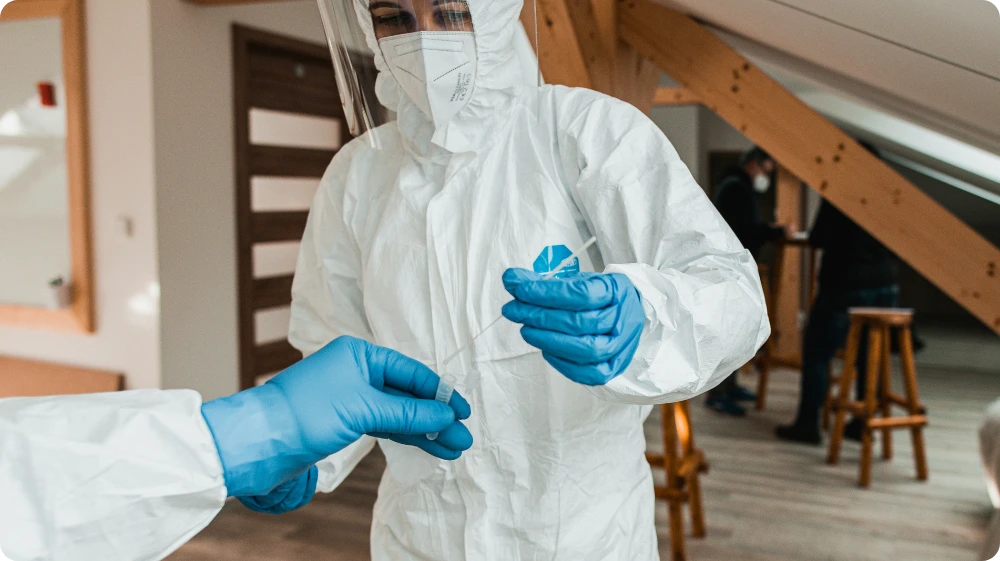
Before embarking on a renovation project, it’s crucial to conduct Asbestos Testing to identify whether any materials in the building contain asbestos. The testing process typically involves a professional inspection of the property, where a certified expert will identify areas that may contain asbestos. Samples of suspected materials are then collected and sent to an accredited laboratory for analysis. This helps ensure that any potential asbestos hazards are identified early, allowing you to take the necessary precautions before disturbing the materials.
The reason Asbestos Testing is essential before renovation is simple: it helps you avoid exposure to asbestos fibers. When asbestos is disturbed during construction or demolition, the fibers are released into the air, where they can be inhaled. This can happen during the removal of flooring, insulation, or ceilings, or even from simple actions like drilling into walls or ceilings that contain asbestos. By conducting an Asbestos Testing before any work begins, you can plan the renovation safely and ensure that appropriate safety measures are in place to protect everyone involved.
In addition to protecting your health, Asbestos Testing before renovation is essential for legal compliance. Many regions have strict laws and regulations regarding the management of asbestos during renovation work. If asbestos is found in the building, you may be legally required to follow certain protocols, including sealing, removing, or containing the material safely. Failing to comply with these regulations can result in substantial fines, project delays, and even legal action. Conducting an Asbestos Testing helps ensure that you are aware of any asbestos issues and can take appropriate steps to comply with local laws.
Another important reason to conduct an Asbestos Testing before renovation is to avoid unforeseen costs. If asbestos is discovered during a renovation, the costs of removal or containment can quickly add up. Early testing can help you anticipate these costs and factor them into your renovation budget. By addressing asbestos issues before construction begins, you can avoid last-minute surprises that could halt your project or increase costs significantly.
Once the Asbestos Testing is complete, and if asbestos is found, the next step is to determine whether removal is necessary. In some cases, if the asbestos is in good condition and not likely to be disturbed during the renovation, it may be left in place and sealed. However, in areas where the material is deteriorating or likely to be disturbed, removal will be required. It’s important to hire a certified asbestos abatement professional to remove or manage the asbestos safely. These professionals are trained to handle asbestos materials and ensure they are disposed of properly, reducing the risk of exposure.
In conclusion, conducting Asbestos Testing before any renovation work is crucial for safeguarding your health, ensuring legal compliance, and managing your project’s budget. By identifying and addressing potential asbestos hazards early, you can protect yourself, your family, and your workers from dangerous exposure to asbestos fibers. Don’t take risks when it comes to asbestos—make sure to schedule an Asbestos Testing before starting any renovation work to ensure a safe and successful project.