
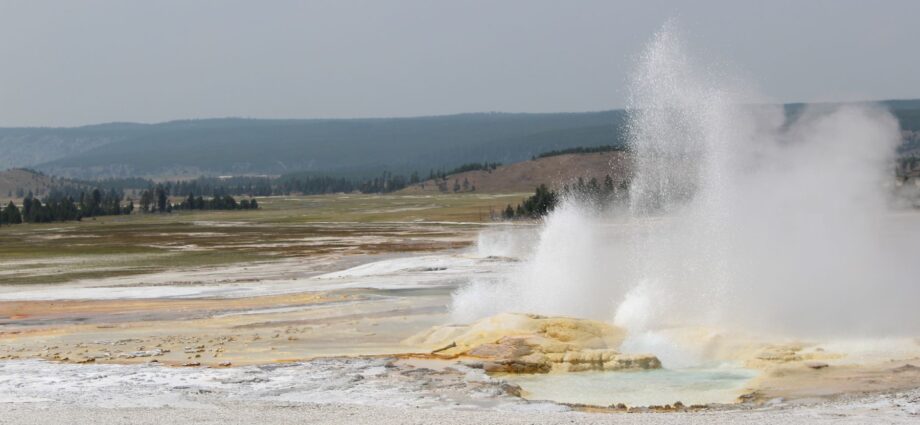
The Yellowstone supervolcano eruption poses a significant threat to humanity, with scientists estimating 1.3 billion premature deaths in a worst-case scenario. This alarming prediction highlights the urgent need for understanding volcanic risks.
Understanding Supervolcanoes
Supervolcanoes are massive volcanic systems capable of producing enormous eruptions that can have catastrophic effects on the environment and human life. The Yellowstone supervolcano, located in the United States, is one of the largest and most well-known supervolcanoes in the world. Understanding how these geological phenomena operate is crucial for assessing potential risks associated with a Yellowstone supervolcano eruption.
Unlike typical volcanoes, supervolcanoes can erupt with a force that is exponentially greater, leading to widespread destruction and long-term climate impacts. The magma chamber beneath Yellowstone is vast, with the potential to erupt in a series of devastating events. In the worst-case scenario, scientists estimate that a significant eruption could result in an unprecedented loss of life and environmental disruption.
Key factors influencing the effects of a supervolcano eruption include:
- Magma Volume: The amount of magma stored beneath the surface.
- Volcanic Ash: The fallout from an eruption can blanket large areas.
- Climate Change: Eruptions can lead to significant temperature drops.
The Science Behind Eruptions
The Yellowstone supervolcano eruption is a complex geological event that involves several factors contributing to its potential severity. Scientists study the mechanisms behind eruptions to better understand what could happen in a worst-case scenario.
At the heart of a supervolcano lies a massive magma chamber, which can be thousands of cubic kilometers in size. When pressure builds up due to the accumulation of molten rock, it can lead to a violent eruption. Key elements that influence the likelihood and magnitude of an eruption include:
- Volcanic gas release: The escape of gases from magma can increase pressure and lead to explosive eruptions.
- Magma composition: Different types of magma can produce varying eruption styles, from gentle lava flows to catastrophic blasts.
- Tectonic activity: Earthquakes and shifts in tectonic plates can trigger eruptions by altering pressure within the magma chamber.
Understanding these factors is crucial for assessing the risks associated with a Yellowstone supervolcano eruption.
Potential Global Impact
The potential global impact of a Yellowstone supervolcano eruption could be catastrophic. Scientists warn that such an event may lead to widespread devastation, affecting millions of lives and ecosystems across the planet. The immediate effects would include:
- Massive Ash Fallout: Ash clouds could spread rapidly, covering vast areas and disrupting air travel.
- Climate Change: The eruption could inject large quantities of ash and sulfur dioxide into the atmosphere, leading to a significant drop in temperatures globally.
- Food Supply Disruption: Agricultural regions could be buried under ash, severely impacting food production.
- Health Risks: Respiratory issues from ash inhalation could exacerbate public health crises.
According to researchers, the long-term consequences of a Yellowstone supervolcano eruption may include an estimated 1.3 billion premature deaths due to the cascading effects on climate, agriculture, and health systems worldwide.
Historical Eruptions of Yellowstone
Yellowstone National Park is home to one of the world’s most active supervolcanoes, with a history of catastrophic eruptions. Over the past 2.1 million years, Yellowstone has experienced three significant eruptions, each resulting in widespread geological changes and environmental consequences.
These historical eruptions occurred approximately:
- 2.1 million years ago: The Huckleberry Ridge eruption, which produced the largest volume of volcanic material.
- 1.3 million years ago: The Mesa Falls eruption, which significantly altered the park’s landscape.
- 640,000 years ago: The Lava Creek eruption, leading to the formation of the Yellowstone Caldera.
Each of these events has contributed to the current geological makeup of the region and serves as a reminder of the potential for future activity. The prospect of another Yellowstone supervolcano eruption raises concerns among scientists, who continue to monitor the area for signs of unrest.
Preparedness for Volcanic Events
Preparedness for volcanic events is crucial, especially with the looming threat of a Yellowstone supervolcano eruption. While the likelihood of such an event occurring in our lifetime is low, understanding how to prepare can mitigate risks and save lives.
Here are key steps individuals and communities can take:
- Emergency Plans: Develop and communicate emergency plans that include evacuation routes and designated meeting points.
- Supplies: Maintain an emergency supply kit with essentials such as food, water, medications, and masks to protect against ash inhalation.
- Stay Informed: Regularly monitor updates from local authorities and geological agencies regarding volcanic activity and potential threats.
- Community Training: Encourage community workshops on volcanic preparedness to ensure everyone knows how to respond effectively.
By taking these steps, individuals can enhance their resilience against the devastating impacts of a Yellowstone supervolcano eruption.
Public Awareness and Education
Public awareness and education are crucial in addressing the potential risks associated with a Yellowstone supervolcano eruption. As scientists warn about the catastrophic consequences of such an event, it is essential for communities to be informed and prepared.
Experts suggest that enhancing public knowledge can help mitigate panic and ensure a swift response in the event of an emergency. Here are some key points to consider:
- Understanding the Risks: People should be educated about the signs of volcanic activity and the implications of a Yellowstone supervolcano eruption.
- Emergency Preparedness: Communities must develop and regularly update emergency plans that include evacuation routes and communication strategies.
- Community Engagement: Local governments should hold workshops and informational sessions to discuss volcanic hazards and safety measures.
By fostering a well-informed public, the nation can better navigate the uncertainties surrounding a potential disaster linked to the Yellowstone supervolcano eruption.
Future Research Directions
As scientists continue to study the Yellowstone supervolcano eruption, future research directions are becoming increasingly critical. Understanding the mechanisms that drive supervolcanic activity can lead to better predictive models and preparedness strategies. Key areas of focus include:
- Enhanced Monitoring: Developing advanced monitoring techniques to detect early signs of volcanic unrest.
- Geological Studies: Conducting in-depth geological assessments to understand past eruptions and their triggers.
- Climate Impact Analysis: Investigating the potential climatic effects of a supervolcano eruption on global weather patterns.
- Risk Assessment Models: Creating more accurate models to evaluate the risks associated with a Yellowstone supervolcano eruption.
- Public Education Initiatives: Increasing awareness and understanding of volcanic hazards in at-risk communities.
By focusing on these research directions, scientists aim to better prepare for potential future events and mitigate impacts on both local and global scales.
Conclusion: The Risk of Eruptions
In conclusion, the risk of a Yellowstone supervolcano eruption remains a topic of significant concern among scientists and the public alike. While the likelihood of a catastrophic event occurring in the near future is low, the potential consequences of such an eruption are severe.
Experts estimate that a major eruption could lead to:
- Massive ash fallout: Affecting air quality and agriculture across vast regions.
- Climate disruption: Resulting in drastic temperature drops and altering weather patterns globally.
- Human casualties: With projections of over 1.3 billion premature deaths in a worst-case scenario.
Preparedness and public education are essential to mitigate the effects of a potential Yellowstone supervolcano eruption. Ongoing research and monitoring efforts are critical to increase understanding and readiness for any future volcanic activity.
Ultimately, while the prospect of an eruption is daunting, informed communities can better navigate the risks involved.
Photo by Marije Kouyzer on Pexels
Comments are closed, but trackbacks and pingbacks are open.