
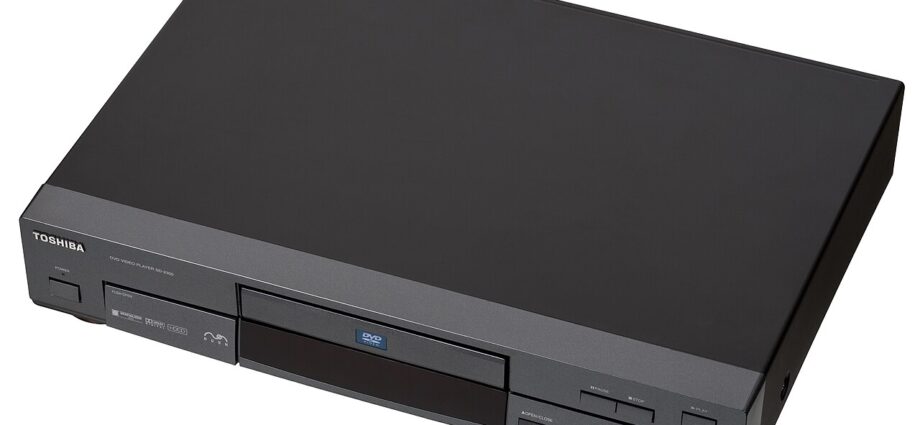
DVD player cost has evolved significantly over the years. In 1997, these devices were a luxury, but by 2026, their pricing reflects technological advancements and market changes.
Introduction to DVD Player Costs
The evolution of technology has significantly impacted consumer electronics, and one area that highlights this shift is the cost of DVD players. In 1997, when DVD players first hit the market, they were considered a luxury item, with prices averaging around $1,000. This initial cost reflected the novelty of the format, as consumers were eager to transition from VHS tapes to the superior quality of DVDs.
As time progressed, the demand for DVD players increased, leading to advancements in manufacturing and a decrease in production costs. By 2026, the scenario has changed dramatically, with the average DVD player cost dropping to approximately $50. This price reduction has made DVD players accessible to a broader audience, allowing more households to enjoy high-quality video playback.
The declining prices can be attributed to various factors:
- Improvements in technology and production efficiency
- Increased competition among electronics manufacturers
- The rise of alternative streaming services affecting demand
Despite the growth of digital streaming, DVD players continue to hold value for consumers who appreciate physical media and the unique benefits that come with it.
Historical Pricing in 1997
In 1997, the introduction of DVD players marked a significant shift in home entertainment technology. The initial DVD player cost was a major investment for many consumers, as these devices were still relatively new to the market. At that time, the average price of a DVD player was approximately $500. This hefty price tag was often justified by the enhanced viewing experience that DVDs offered compared to traditional VHS tapes.
During this period, manufacturers were racing to capture the emerging market, resulting in a variety of models being released. Some of the most notable brands included Sony, Pioneer, and Panasonic, each offering unique features that appealed to different segments of the consumer base. While some models were priced higher due to advanced capabilities, others aimed to attract budget-conscious buyers with lower-priced options.
In retrospect, the DVD player cost in 1997 can be viewed as a pivotal moment for home entertainment, as it paved the way for future developments in digital media. By investing in DVD technology, consumers embraced a new era of high-quality films and interactive features. As prices gradually decreased over the years, DVD players became more accessible, leading to widespread adoption and eventually shaping the market for home viewing experiences.
Comparative Analysis of 2026 Prices
The DVD player cost has undergone significant changes from 1997 to 2026, reflecting technological advancements and shifts in consumer demand. As of 2026, the average price of a DVD player stands at approximately $50, a stark contrast to the initial prices seen in the late 1990s.
To better understand this evolution, we can examine the factors that have influenced DVD player prices over the years:
- Technological Advancements: The introduction of Blu-ray and streaming services has led to a decline in DVD player prices as consumers shift to newer technologies.
- Market Saturation: With a broad range of manufacturers entering the market, competition has driven prices down, making DVD players more accessible to a wider audience.
- Consumer Preferences: As more people opt for digital formats, the demand for traditional DVD players has decreased, resulting in lower production costs and retail prices.
Additionally, sales and promotions, particularly around holidays, can significantly affect the cost of DVD players in 2026. Retailers often offer discounts to attract buyers, further contributing to the price decline observed over the years. Overall, the comparative analysis highlights a market that has adapted to changing technological landscapes and consumer preferences.
Factors Influencing Price Changes
Several factors have contributed to the fluctuations in DVD player cost over the years, shaping consumer expectations and market dynamics. Understanding these elements can provide insights into why prices have shifted significantly from the late 1990s to today.
- Technological Advancements: The introduction of new technologies, such as Blu-ray players and streaming devices, has influenced the pricing of traditional DVD players. As these newer devices gain popularity, the demand for DVD players has decreased, leading to lower prices.
- Manufacturing Costs: The cost of materials and production has varied over time. As manufacturing processes become more efficient, the overall cost of producing DVD players has decreased, which can result in lower retail prices.
- Market Competition: Increased competition among electronics manufacturers has also played a role in driving down prices. As more brands enter the market, consumers benefit from competitive pricing, making DVD players more affordable.
- Consumer Preferences: Changes in how consumers access media have impacted the DVD player cost. With a growing trend towards digital downloads and streaming services, the demand for DVD players has declined, prompting retailers to lower prices to clear inventory.
These factors collectively illustrate the complex landscape affecting DVD player pricing from 1997 to 2026.
Consumer Preferences Over the Years
Over the years, consumer preferences have significantly influenced the DVD player cost and shaped the market dynamics. In the late 1990s, when DVD players first gained popularity, consumers were primarily attracted to their superior picture and sound quality compared to VHS tapes. The novelty of owning a DVD player drove many households to invest in this technology, despite the high prices at the time.
As technology advanced, the appeal of DVD players began to evolve. By the mid-2000s, features such as built-in upscaling capabilities and internet connectivity became popular among consumers, prompting manufacturers to innovate and diversify their product lines. This shift in consumer demand led to more competitive pricing, and as a result, the cost of DVD players started to decline.
Today, the market is saturated with various options, from basic models to high-end players with additional features. Consumers are now more price-sensitive, often seeking the best value for their money. As a result, brands that once dominated the market have had to adapt to changing preferences, leading to a further reduction in prices. In this current landscape, the cost of DVD players reflects not only technological advancements but also the evolving tastes and expectations of consumers.
Technological Advancements Impact
The evolution of technology has significantly influenced the DVD player cost over the years. As new features and capabilities emerged, they not only enhanced the viewing experience but also affected pricing structures within the market.
In the late 1990s, DVD players were a luxury item, often priced at several hundred dollars. However, as technological advancements took center stage, manufacturers began to introduce more efficient production methods and competitive pricing strategies. This shift allowed for the mass production of DVD players, reducing costs and making them accessible to a broader audience.
Notably, the introduction of features such as built-in streaming capabilities, improved picture quality, and compatibility with various formats has also played a role in shaping the cost. Today’s models often come equipped with smart technology, allowing users to access online content directly.
Additionally, the rise in digital media consumption has led to a decline in demand for physical media devices, influencing pricing trends. As DVD players evolve, manufacturers are responding by offering budget-friendly options alongside high-end models, catering to diverse consumer preferences.
As we look towards 2026, it is clear that the impact of technological advancements will continue to reshape the landscape of DVD player costs, reflecting the ongoing evolution of home entertainment.
Conclusion: The Future of DVD Players
As we look towards the future of DVD players, it’s clear that the DVD player cost will continue to evolve in response to changing consumer demands and technological advancements. While physical media has seen a decline with the rise of streaming services, there remains a niche market for DVD players, particularly among collectors and those who appreciate the tangible nature of physical media.
In the coming years, we may witness a further reduction in the price of DVD players due to advancements in manufacturing and technology. The competition among manufacturers will likely drive prices down, making these devices more accessible to a broader audience. Additionally, as consumers shift their focus towards multi-functional devices, such as Blu-ray players and gaming consoles that include DVD playback capabilities, standalone DVD players may see a decline in demand.
Moreover, environmental considerations and sustainability may influence future models, potentially leading to innovative designs that are both cost-effective and eco-friendly. The market may also witness a resurgence in nostalgia-driven purchases, as older generations seek to recreate their childhood experiences.
Ultimately, while the cost of DVD players might be on a downward trend, their enduring appeal could ensure that they remain a staple in many households well into the next decade.
The evolution of technology has significantly impacted DVD player cost over the decades. As we analyze the trends, it’s clear that the DVD player cost has shifted dramatically from its peak in the late 1990s to the more affordable prices seen in 2026.
via Wikimedia Commons
References
Related reading
Deep Sea Fish: The Best Proven Meal Discovery · Deep-Sea Rocks Fire: The Real Reasons Behind Lab Reactions · Touchscreen OLED MacBook Pro: Best Features and Launch Date
Comments are closed, but trackbacks and pingbacks are open.