
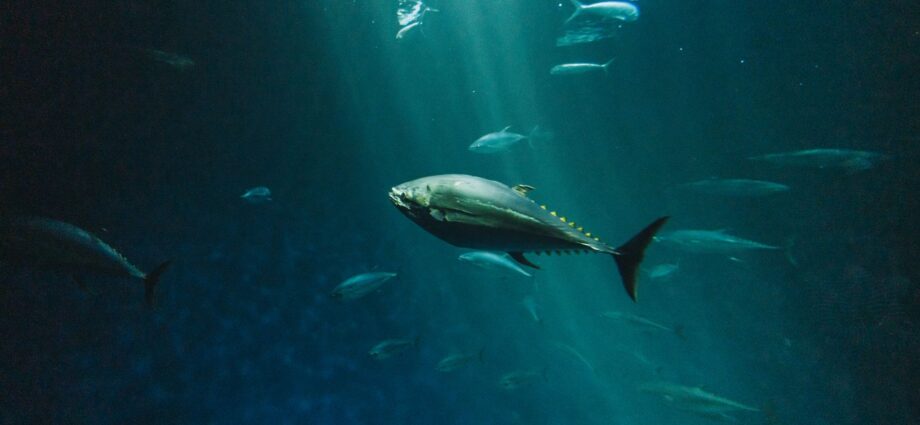
deep sea fish have shown remarkable behavior by swallowing meals way bigger than themselves. This fascinating discovery was captured by scientists on camera, shedding light on their feeding habits.
Introduction to Deep Sea Fish
The deep sea is home to a remarkable variety of creatures, with deep sea fish being among the most intriguing. These fish have adapted to survive in extreme conditions, showcasing extraordinary characteristics that set them apart from their shallow-water counterparts.
One of the most fascinating aspects of deep sea fish is their ability to consume prey much larger than themselves. This remarkable feeding behavior was recently captured on camera, highlighting the unique adaptations that these fish have developed to thrive in the ocean’s depths.
Some key features of deep sea fish include:
- Bioluminescence: Many deep sea fish possess the ability to produce light, helping them attract prey or communicate with one another.
- Large mouths: Their oversized mouths allow them to swallow prey that can often be several times their own size.
- Slow metabolism: These fish tend to have slower metabolisms, enabling them to survive on sparse food supplies.
Understanding deep sea fish not only provides insight into their survival strategies but also into the broader complexities of marine ecosystems.
Unusual Feeding Behaviors
Deep sea fish exhibit some of the most unusual feeding behaviors found in the animal kingdom. These adaptations have evolved to help them survive in the extreme conditions of the deep ocean, where food sources can be scarce.
One fascinating behavior observed in some species is the ability to consume prey much larger than themselves. For instance, scientists recently captured footage of a small deep sea fish successfully swallowing a meal that was significantly bigger than its own body. This remarkable event highlights the extreme adaptability of these creatures.
Some other notable feeding behaviors include:
- Bioluminescence: Many deep sea fish use light to attract potential prey in the dark depths of the ocean.
- Ambush tactics: Certain species lie in wait, camouflaged against the sea floor, to surprise unsuspecting prey.
- Filter feeding: Some deep sea fish have developed specialized mouths to filter small organisms from the water.
These unique strategies showcase the incredible adaptability of deep sea fish in their quest for survival.
Scientific Observations
Recent scientific observations have provided fascinating insights into the behavior of deep sea fish. Researchers have documented instances of these creatures exhibiting extraordinary feeding strategies, often surprising in their effectiveness.
One notable observation involved a small deep sea fish that consumed a prey item significantly larger than itself. This event was captured on video, allowing scientists to analyze the mechanics behind such an incredible feat. The findings suggest that deep sea fish have evolved unique adaptations to thrive in their dark, high-pressure environment.
Experts have identified several key factors that contribute to the successful feeding of these fish:
- Camouflage: Many deep sea fish possess the ability to blend into their surroundings, making them less visible to predators.
- Flexible jaws: Their jaw structures allow for the ingestion of larger prey, a crucial adaptation in a habitat where food is scarce.
- Bioluminescence: Some species utilize light to attract prey, creating an effective hunting strategy.
The Role of Size in Prey Selection
Understanding the role of size in prey selection among deep sea fish reveals fascinating insights into their feeding strategies. Many species exhibit remarkable adaptability, allowing them to target prey that far exceeds their own size. This behavior is particularly evident in the deep sea, where food is scarce and competition is fierce.
Scientists have observed instances where smaller deep sea fish have successfully consumed larger organisms, showcasing an extraordinary range of predatory techniques. These include:
- Ambush tactics: Utilizing camouflage to surprise unsuspecting prey.
- Group hunting: Collaborating with others to overwhelm larger targets.
- Swallowing mechanisms: Specialized jaws that can expand to accommodate larger meals.
Such adaptations not only illustrate the resilience of deep sea fish in extreme environments but also highlight their evolutionary innovations in the quest for survival.
Implications for Marine Ecosystems
The discovery of deep sea fish consuming prey significantly larger than themselves raises important implications for marine ecosystems. This behavior suggests a complex food web where size and predation dynamics are not as straightforward as previously thought. Scientists believe that understanding these interactions can help in assessing the health of deep-sea habitats.
Moreover, this finding emphasizes the adaptability of deep sea fish in an environment characterized by extreme conditions and limited resources. As these fish employ unusual feeding strategies, they may play a crucial role in regulating population sizes of their prey, which can influence overall biodiversity.
- Enhanced understanding of predation dynamics
- Potential impact on nutrient cycling
- Insights into the resilience of ecosystems
Ultimately, these revelations about deep sea fish highlight the need for continued research to unravel the complexities of marine life in the depths of our oceans.
Video Evidence of Feeding
Recent video evidence has shed light on the feeding habits of deep sea fish, showcasing their incredible adaptability and unique behaviors. In a remarkable observation, scientists captured footage of a small deep sea fish consuming prey significantly larger than itself. This event highlights the extreme predatory strategies employed by these fish in a habitat where food scarcity is common.
Key takeaways from the video include:
- Feeding Mechanisms: The fish displayed a remarkable ability to expand its jaws, allowing it to engulf prey much larger than its body size.
- Survival Strategies: This behavior indicates a survival tactic that enables these fish to maximize their energy intake in the nutrient-poor deep sea environment.
- Ecological Impact: Such feeding practices may influence the population dynamics of both predator and prey within deep sea ecosystems.
This footage serves as a compelling reminder of the mysterious and fascinating life that thrives in the depths of our oceans.
Conclusion and Future Research
In conclusion, the study of deep sea fish continues to unveil astonishing behaviors and adaptations that challenge our understanding of marine life. The recent observations of these creatures consuming prey much larger than themselves highlight the complexities of their feeding strategies and ecological roles.
As researchers delve deeper into the mysteries of the ocean, several areas warrant further investigation:
- Feeding Mechanisms: Understanding how deep sea fish manage to consume such large prey could lead to new insights into their anatomy and physiology.
- Behavioral Adaptations: Exploring the unusual feeding behaviors observed could reveal evolutionary advantages that enable survival in extreme conditions.
- Impact on Ecosystems: Further research is essential to assess how these feeding habits affect marine ecosystems and the balance of life in deep-sea environments.
As we uncover more about deep sea fish, we will gain a clearer picture of the intricate web of life below the surface.
Photo by isaac mijangos on Pexels
Comments are closed, but trackbacks and pingbacks are open.